The organic community has soundly rejected the use of genetically modified crops, and current organic standards do not permit genetically modified crops to be marketed as organic, even if they are grown without harmful pesticides or artificial fertilizers.
The reasons include the fact that genetic modification can come with unknown risks to the environment and that genetic modification alters plants in ways that many people feel are more extreme or unnatural than alterations that are brought about through selective breeding. In addition, genetically modified crops are tied to patents and commercialization which threatens the economic well-being and independence of subsistence farmers.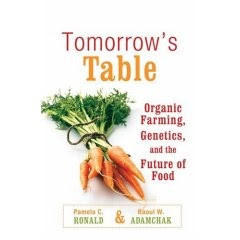
However, genetic modification also opens up opportunities which can contribute to long-term sustainable agriculture, according to the authors of Tomorrow's Table: Organic Farming, Genetics, and the Future of Food. For instance, if a variety of rice were genetically modified to make it flood tolerant, then instead of using herbicides that might have negative health consequences, farmers could flood fields to kill weeds. There might also be the possibility of genetically modifying crops so that they are tolerant of marginal growing conditions, permitting them to be grown without the use of high levels of artificial fertilizers.


 Posts
Posts


